
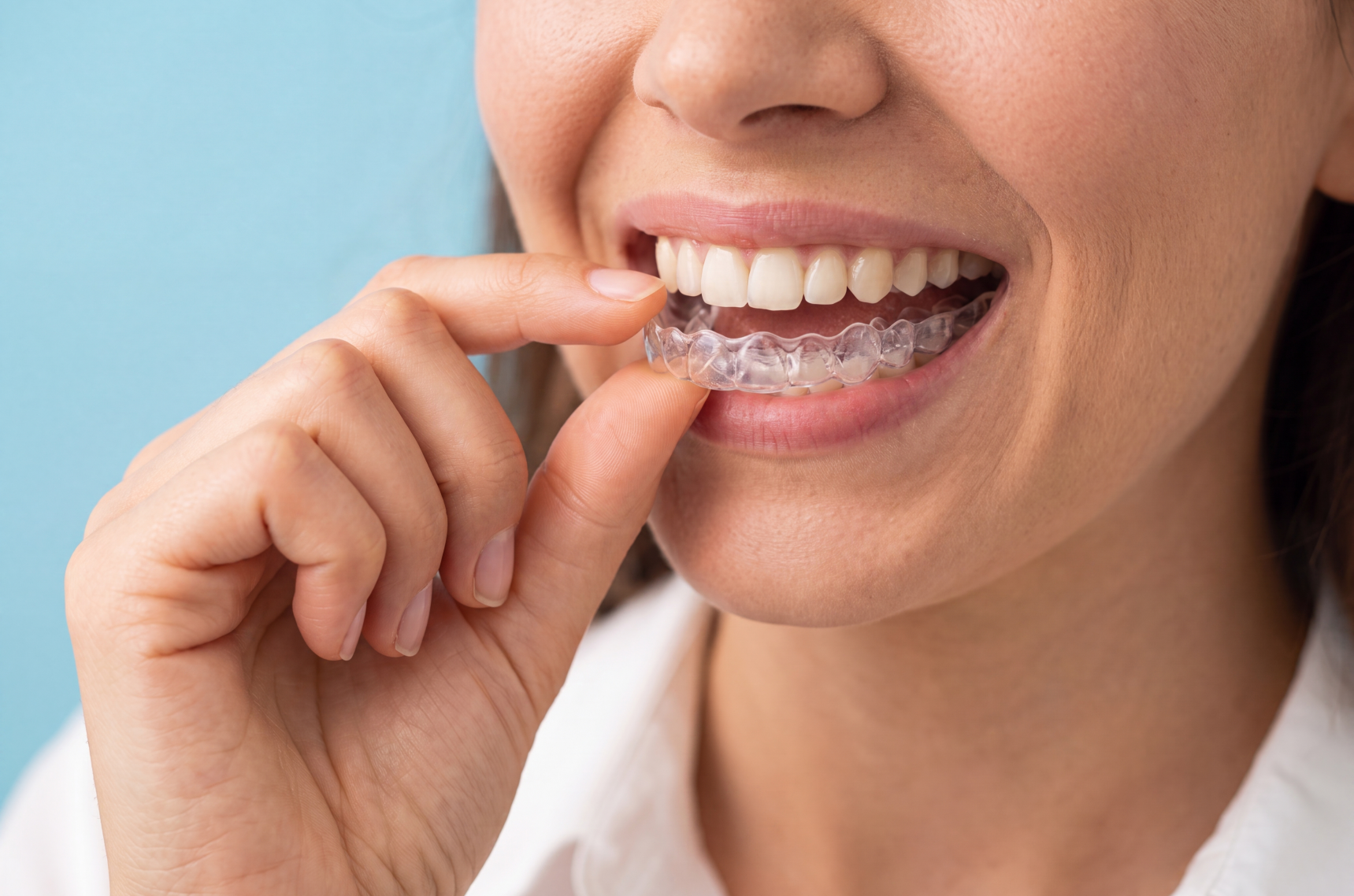
Whether it is a competitive match or a casual weekend game, sport moves too fast to protect your teeth once something goes wrong. Protection works best when it is already in place before play begins. A well-fitted guard absorbs part of the impact so your teeth are not taking it alone. This blog covers how a custom sports mouthguard can protect teeth during contact and recreational sports, which activities call for one, how it protects your teeth and mouth, why a close fit matters and how a mouthguard is made from fitting to finished guard.
A Custom Sports Mouthguard Can Protect Teeth During Contact and Recreational Sports
A custom sports mouthguard sits over your teeth and acts as a cushion between them and whatever hits your face. By absorbing and spreading out impact, it helps reduce the chance of chipped, cracked or knocked-out teeth. Because it is shaped for your mouth, it is meant to stay in place while you play.
No guard prevents every injury, but wearing one is a simple way to lower the risk of dental trauma. This applies whether you play on a team or stay active for fun.
Which Activities Call for a Sports Mouthguard
Dental injuries are not limited to organized contact sports. Any activity with a risk of falls, collisions or flying equipment is worth considering.
- Wear a mouthguard for contact sports such as hockey, football, boxing and martial arts.
- Consider one for fast ball and stick sports such as baseball, softball, lacrosse and field hockey.
- Use one for recreational activities with a risk of falls, such as cycling, skateboarding, skiing and snowboarding.
- Choose one for casual games with friends, where collisions and falls still happen.
How a Custom Mouthguard Protects Your Teeth and Mouth
A mouthguard protects more than the front teeth. The protection works in a few ways.
Cushions Impact on Teeth
The guard absorbs part of the force of a hit and spreads it across your teeth, which helps lower the chance of chips and fractures.
Shields Lips and Cheeks
It also keeps soft tissue away from sharp tooth edges, so lips and cheeks are less likely to be cut during a blow.
Stays in Place During Play
A guard shaped to your teeth is less likely to shift or slip as you move, so the protection stays where it is needed.
Why a Close Fit Matters for Comfort and Consistent Wear
A guard that feels bulky or loose tends to end up in a gym bag instead of your mouth. A close fit makes it easier to breathe, talk and drink water while wearing it, which makes you more likely to keep it in for every practice and game.
Fit also affects how comfortable the guard feels after a long session. Your dentist can check how it sits and whether it feels right before you take it onto the field.
How a Mouthguard Is Made From Fitting to Finished Guard
Getting a custom mouthguard typically takes four steps. The first is a conversation about your sport and how often you play. The second is taking an impression or scan of your teeth.
The third step is making the guard to match that model of your mouth. The fourth is a fitting, where you try the guard on and check that it is comfortable and stays in place.
Get Your Teeth Protected With a Sports Mouthguard at Diver Lake Dental in Nanaimo, BC
Diver Lake Dental in Nanaimo, BC offers sports mouthguards for patients who play contact sports or stay active in recreational activities. Book a visit to talk about the protection that suits your sport.
Frequently Asked Questions
Is a custom sports mouthguard better than a store-bought mouthguard?
A custom guard is shaped to your teeth, which can make it more comfortable and less likely to shift, while store-bought options vary in fit. Diver Lake Dental offers sports mouthguards.
Do children and teens need custom sports mouthguards?
Children and teens who play contact or fast sports can benefit from protection, though growing mouths change the fit over time. Diver Lake Dental serves families and can advise on what suits your child.
How often should a sports mouthguard be replaced?
Replace it when it is worn, cracked, loose or no longer fits comfortably, and review it each season for growing athletes. Diver Lake Dental can check your guard at a visit.
What should I do if I chip a tooth during sports?
Save any broken piece, rinse your mouth with water and contact a dentist promptly. Diver Lake Dental offers dental emergency care and tooth-coloured bonding, which can be discussed for chipped teeth.
How should I clean and store a sports mouthguard?
Rinse it after each use, brush it with a soft toothbrush and cool water, and store it in a ventilated case away from heat. Diver Lake Dental can show you how to look after yours.